Lots of things change as we age, but having bone loss doesn’t have to be one of them. There are signs your body gives you that you could be suffering from bone loss. Check out these hidden signs that your body may be trying to warn you that you’re secretly suffering from bone loss.
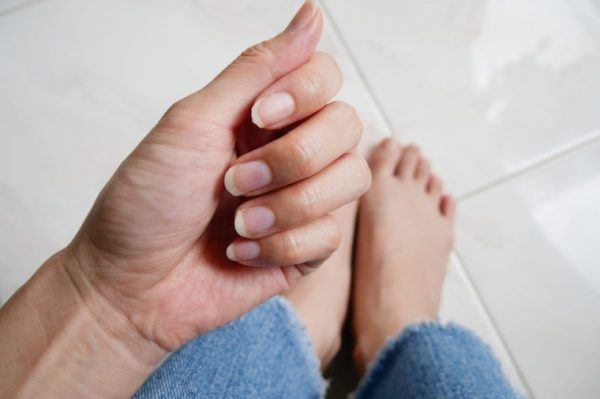
1. Your nails are brittle – Broken nails can be annoying, but if you’re breaking nails more often than normal it might be reason for concern. Your nails can turn brittle for lots of reasons, but some of the most common are collagen and calcium deficiencies. Keep healthy by eating foods like berries, leafy greens, soy, and citrus. You can take in more calcium by eating more dairy, dark leafy greens, and sardines.
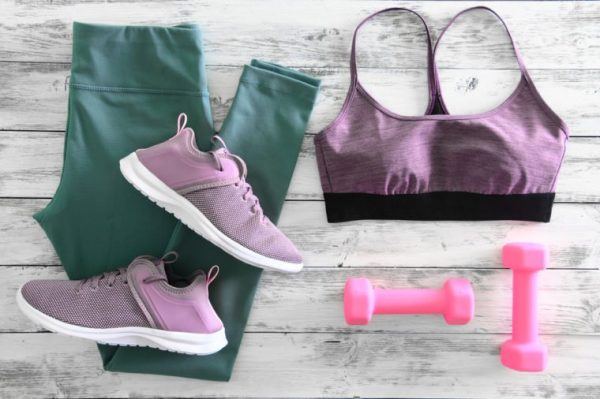
2. You don’t exercise – If you spend most of your time sitting down, you’re probably at a greater risk for developing osteoporosis. Exercise not only helps build stronger muscles, but it helps your bones as well. Weight bearing exercises help preserve your skeleton. If you work at a desk, try getting up and walking around your office at least once every hour or go for a walk or jog after work. Try to fit in a time to do a little weight lifting as well.
3. Your gums are receding – You may not notice your gums receding because it happens slowly over several years. As your gums recede your jawbone loses strength and bone mass. When this happens it can weaken your gums and detach your teeth. Visiting your dentist regularly will allow your dentist to evaluate your gum health and help you catch gum problems early. Even if you don’t have gum trouble, you’ll still want to keep up with preventative measures like brushing your teeth and flossing regularly.

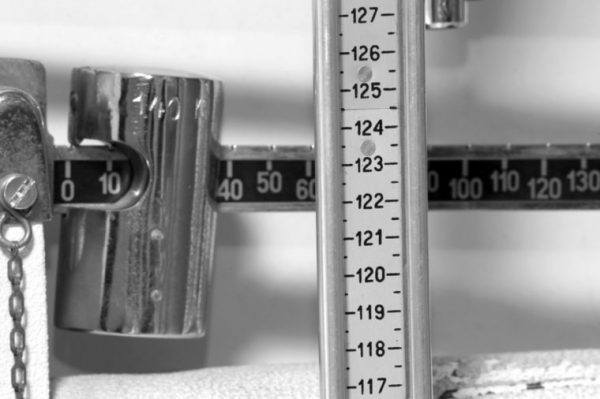
4. You’re getting shorter – Losing height as we age is not a myth. It happens when our bone mass decreases and the cartilage between bones wears down. Getting shorter doesn’t necessarily mean your bones are in trouble, but it can indicate that the muscles around your spine are getting weaker.
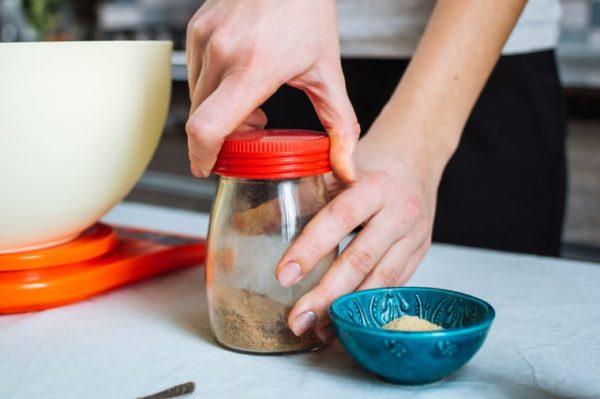
5. You have poor grip strength – Tightly sealed jars can be tough to open for anyone, but if you notice that your grip strength is worse than usual, it might be time to talk to your doctor and evaluate if you are having bone loss. Researchers have found that handgrip strength is one of the most important tests in determining overall bone mineral density. There is a direct link between your grip strength and the bone density in your hips, spine, and forearms.
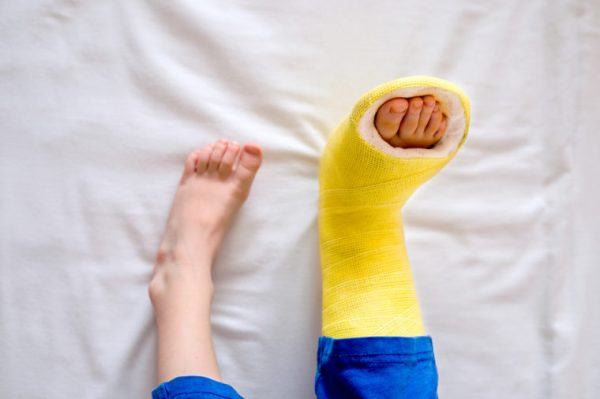
6. You got a fracture when you shouldn’t have – A big sign of bone loss is a fracture that occurs from a minor incident like stepping off the curb. If this happens it is time to get your bones checked out because it could be a sign that you have the bone thinning disease osteoporosis.
7. You’re getting cramps, muscle aches, and bone pain – Aches and pains come with aging, but they can also be a sign that your body is doing more than getting older. Frequent aches and pains can be a warning sign of vitamin D deficiency which can lead to bone loss. Frequent muscle cramps can also be a sign of calcium and magnesium deficiency, both of which can also lead to bone loss.

8. You have a small body frame – People with smaller body frames are more likely to develop osteoporosis because they have less bone mass to lose. This doesn’t mean that you are destined to bone loss, you will just have to work harder to protect your skeleton. You can do this by filling your diet with calcium rich foods and regularly exercising.

9. You’re a woman with low estrogen levels – When estrogen begins to decline during menopause your bones can suffer. This bone loss can be prevented by hormone replacement therapy. If you’re unsure about your hormone levels, your doctor can check them and discuss with you options for boosting low estrogen levels. Getting frequent, high-impact exercise and eating a balanced, calcium-rich diet can also slow your bone loss.

Did you find these nine tips helpful? Be sure to share this story with your family and friends so they can protect their bones too.
COMMENTS POLICY: We have no tolerance for messages of violence, racism, vulgarity, obscenity or other such discourteous behavior. Thank you for contributing to a respectful and useful online dialogue.