Sociologists and anthropologists from Northeastern University and the University of Colorado recently embarked on a quest to find out why reports of animals in need that are in the news provoke more outrage than tragedies involving humans.
The team of researchers launched a study in which they asked 256 college students to read a fictional news story. The students were then asked to reveal the level of empathy they have for a brutally beaten human adult or child compared with a dog who had been beaten.
The study found that students were far more empathetic to the abused dogs than they were towards humans.
“We also found more empathy for victims who are human children, puppies, and fully-grown dogs than for victims who are adult humans,” the study found. “Age makes a difference for empathy toward human victims, but not for dog victims.”
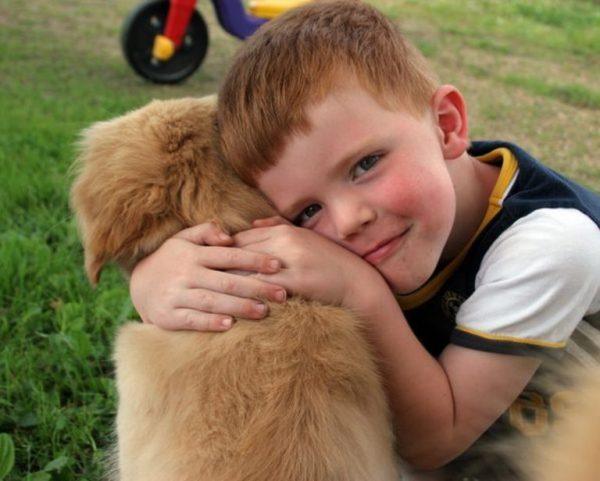
The study went on to talk about a British charity that carried out their own dog-versus-person empathy experiment when they ran a fundraising campaign featuring two versions of the same ad.
“Both contained text that read, ‘Would you give £5 to save Harrison from a slow, painful death?’ One version featured a picture of the real Harrison Smith, an eight-year-old boy diagnosed with Duchenne (Muscular Dystrophy). The other featured a stock photo of a dog,” the study explained. “When the ads ran on MSN’s United Kingdom website with links to donate to the charity, the one depicting the dog attracted twice as many clicks as the one with the boy (230, compared to 111).”
The study concluded by exploring why exactly humans are more empathetic towards dogs than other people.
“It may be that many people appraise dogs as vulnerable, regardless of their age, when compared to adult humans,” the study said. “In other words, dogs, whether young or adult, are seen as possessing many of the same qualities associated with human babies; they are seen as unable to fully protect themselves, compared to adult humans.”
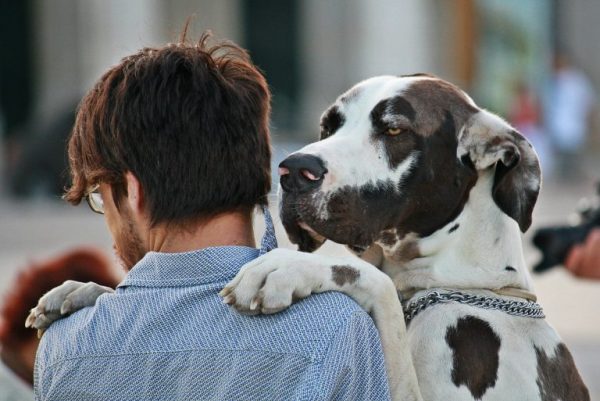
Psychotherapist Justin Lioi agrees with this finding.
“We are more able to empathize with someone whom we deem to have little blame for their circumstances,” Lioi said. “Dogs and babies are the definition of didn’t-ask-for-this and we are more likely to rush to support them.”
Did the results of this study surprise you? Let us know in the comments section, and SHARE this story so your friends and family can see this as well!
COMMENTS POLICY: We have no tolerance for messages of violence, racism, vulgarity, obscenity or other such discourteous behavior. Thank you for contributing to a respectful and useful online dialogue.