Dementia is defined as a general term for a decline in mental ability severe enough to interfere with daily life. According to Alzheimer’s Disease International, someone in the world develops dementia every three seconds and there are close to 50 million people around the world that suffer from some form of the illness.
Studies have linked drugs like anticholinergics (medicines used to treat allergies, colds, depression, and high blood pressure) and benzodiazepines (medicines for sleep disorders and anxiety) with an increase in risk of developing dementia in people who take those medications long-term.
One study found that people who took benzodiazepines for three to six months had a 32 percent greater risk of developing dementia and those who had taken the drug more than six months had an increased risk of 84 percent.
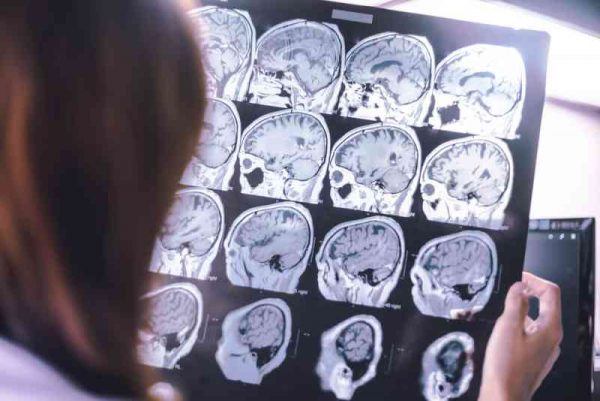
The study claims that medications are a common culprit of mental decline because as we age our liver becomes less efficient at metabolizing drugs and the kidneys eliminate them from our body more slowly. The result is drugs that accumulate in the body.
People who are taking multiple drugs and those who are elderly are the most at risk for this type of drug-related dementia. The drugs that most commonly cause problems include antidepressants, antihistamines, narcotics, and sedative.
There are more than 50 conditions that can cause or mimic dementia, and a small percentage of them are reversible. Dementia caused by vitamin B12 deficiency or an underactive thyroid are two types of dementia that can be reversed.

Although memory loss is a primary example of Alzheimer’s disease, it is not necessarily an indication of the condition. It can be difficult to tell normal memory problems from memory problems that should be reason for concern.
If you or your loved one is experiencing memory problems it is important to discuss your symptoms with your doctor. Sometimes the issues can be caused by medication side effects that could be reversed with a different treatment.
There have also been rumors surrounding vaccinations as the cause for dementia, but studies have concluded that this simply isn’t true. The United States National Library of Medicine and National Institutes of Health showed that past exposure to vaccines for diphtheria, tetanus, polio, and influenza actually help protect against development of dementia.

This means that while some prescription drugs have been linked to memory loss, depression, and fatigue, they are typically side effects of the drugs and not necessarily due to dementia or Alzheimer’s disease.
If you know someone else who is struggling with memory loss or dementia, please share this article with them in hopes that their condition can be reversed.
COMMENTS POLICY: We have no tolerance for messages of violence, racism, vulgarity, obscenity or other such discourteous behavior. Thank you for contributing to a respectful and useful online dialogue.