If you are one of millions of people that tune in to “Tiny House Nation” on television, you may have fallen in love with these adorable, cozy homes. Built just like regular homes, but these tiny homes are usually 500 square feet or less and are often on wheels.
They also come in all shapes and sizes, and for those who don’t like clutter or cleaning, these little homes may just be the perfect option. Even with all the obvious perks, these tiny homes are often frowned upon by some towns and there are a few things that are definitely not perks to having a tiny home.
A recent fight in Charlotte, North Carolina, over tiny homes sums up the tiny home issue pretty well. Locals fought back against the idea of building a group of homes because the tiny homes cost just $90,000 compared to the average home that costs $190,000 in the same neighborhood. Homeowners complained that the tiny homes would shrink their property values.

Tiny homes, however, are growing faster in value than regular homes at 7.5% for tiny homes compared to 3.8% for full sized homes. Owners who have made the switch to tiny homes say there are additional benefits to a tiny home too.
They say there’s less room for clutter which equals less time cleaning. You also save money on heating, cooling, and even food because your fridge is smaller. They can be pulled from place to place and are good for the environment because they use less electricity.

Tiny houses do come with their own set of problems. If you’re a social butterfly who likes to have big parties, those days will be over because you won’t have enough room. There are plenty of places that won’t allow your tiny home too. Not to mention, in the city, your tiny home value won’t increase like in some areas. It’s actually more costly to fill a city plot with a tiny home.

Some people don’t build traditional tiny homes either, they’ve turned to creative and clever ideas to make their tiny home. Debbie and Gabriel Mayes built a home out of an old yellow school bus. The renovation cost just $38,000 and provides 5,000 square feet of living space.

Although they don’t plan to stay there permanently, they say it provides a comfortable home for them to live in while they are saving money to build their forever home.
Another trend in tiny homes are granny pods. Typically built on the property of a their children, it allows an elderly parent to stay close to their family, but maintain their independence. Meredith Stannard is one of those that owns a granny pod.
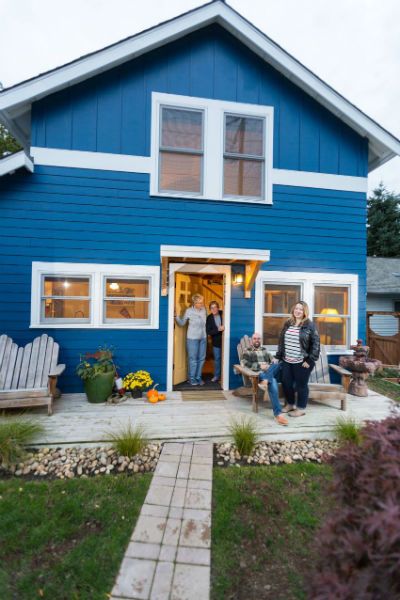
She built a home similar to her daughter Drews home in her backyard so it blends into the neighborhood, but still allows her to be independent and have her own space. She chose the 613 square foot home rather than moving to a retirement community.
For many people, tiny homes may be just too much of an adjustment but for others, it’s a perfect fit serving their purpose like Meredith who wants to be close to family but still reserve some independence. What are your thoughts? Is a tiny home suited for you?
COMMENTS POLICY: We have no tolerance for messages of violence, racism, vulgarity, obscenity or other such discourteous behavior. Thank you for contributing to a respectful and useful online dialogue.